Roof Repair · Wyoming
Crews focus on matching existing materials and following permit rules in each area. Documentation is provided after every visit so owners have a clear record of what was addressed.
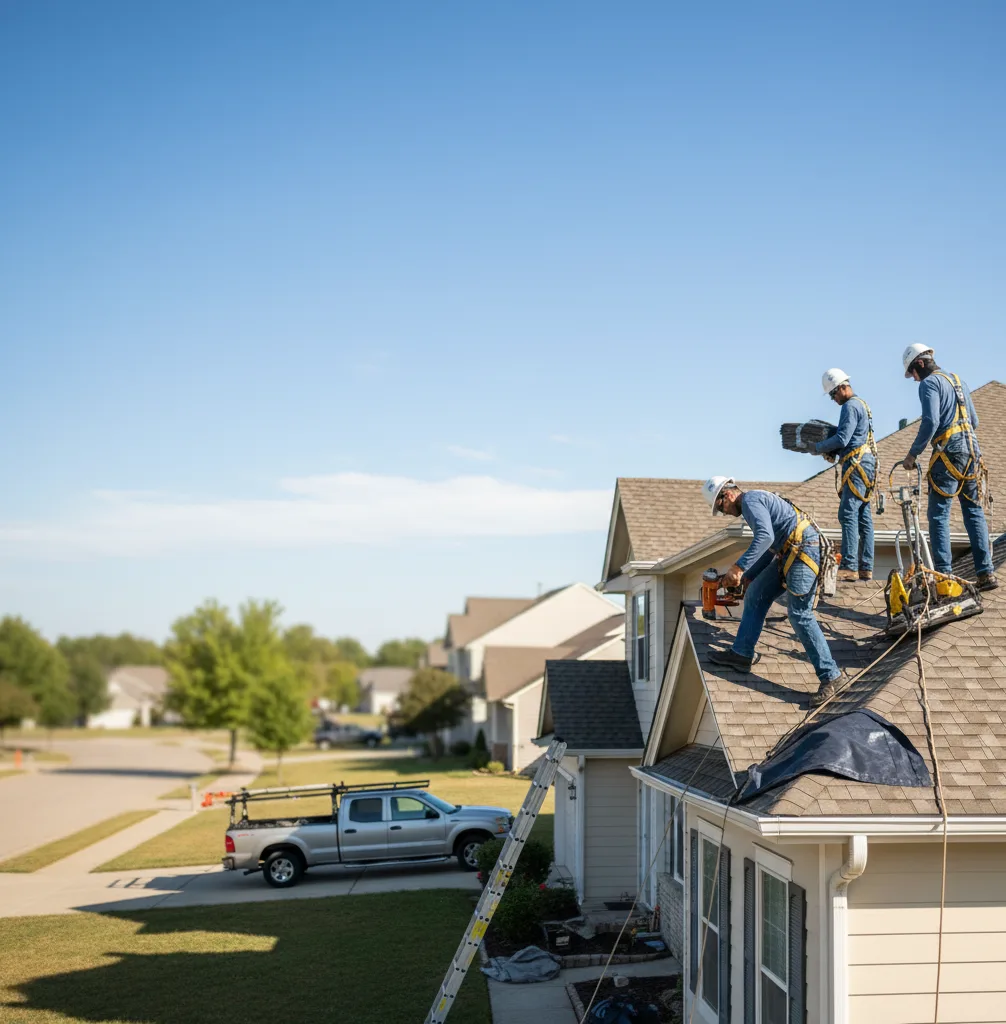
Hail, heavy rain, high wind, long summer heat, and freeze-thaw cycles all take a toll on roofing materials. Over time these forces loosen granules, crack seals, and shift panels or shingles. In Wyoming the same patterns repeat each year, so owners notice gradual changes in how water moves off the surface. A maintenance visit starts with a close look at seams, vents, and valleys where damage often begins. Crews note any soft spots or lifted edges that could allow moisture underneath. Simple corrections at this stage keep the existing roof performing longer without full replacement.
Technicians check for missing fasteners, clogged gutters, and sealant that has dried out. They also examine areas around chimneys and skylights where flashing tends to separate. Homeowners can often see granule loss in the yard or small stains on ceilings that hint at slow seepage. These observations guide the crew toward the spots that need the most attention during the roof inspection service call.
FAQ

Small problems can grow when water reaches the decking or insulation. An early check often limits the repair to the original area. If the roof is already older it is useful to know the overall condition before deciding how long to wait.
Interior water marks can come from roof issues but may also trace to plumbing or condensation in the attic. A roof inspection checks the surface and flashing first. If those areas are dry the source is often elsewhere. The inspection helps narrow it down before other trades are called.
Access, the number of layers already on the roof, and whether decking needs attention all affect the scope. Steeper pitches or limited ladder placement can add time. The inspection identifies these factors so the estimate reflects the actual work required.